Read to Rise Cincinnati × We Excel Cincinnati
We Excel Cincinnati · Spring 2026

Read to Rise.

A parent-led, community-based literacy intervention helping Cincinnati students strengthen foundational reading — and equipping families with clear information and practical tools.
10-Week Pilot K–Grade 6 Science of Reading Parent-Powered
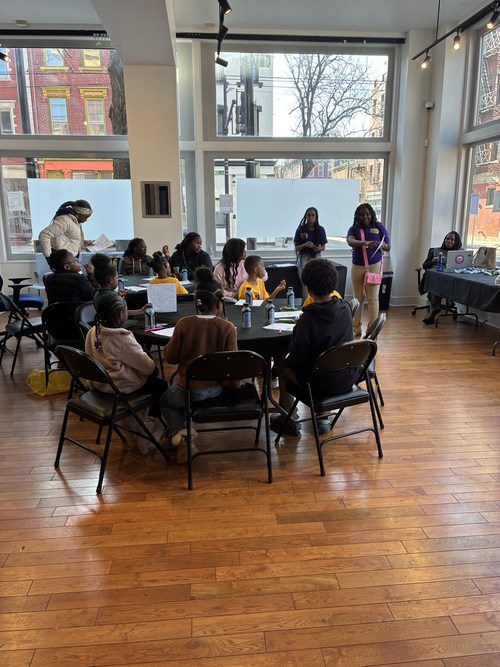
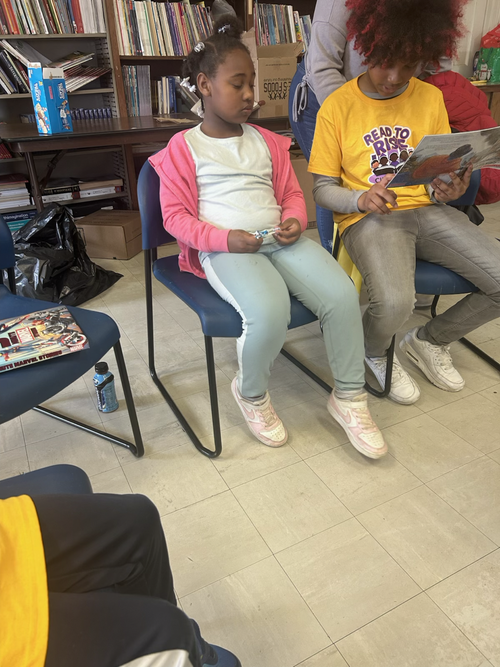
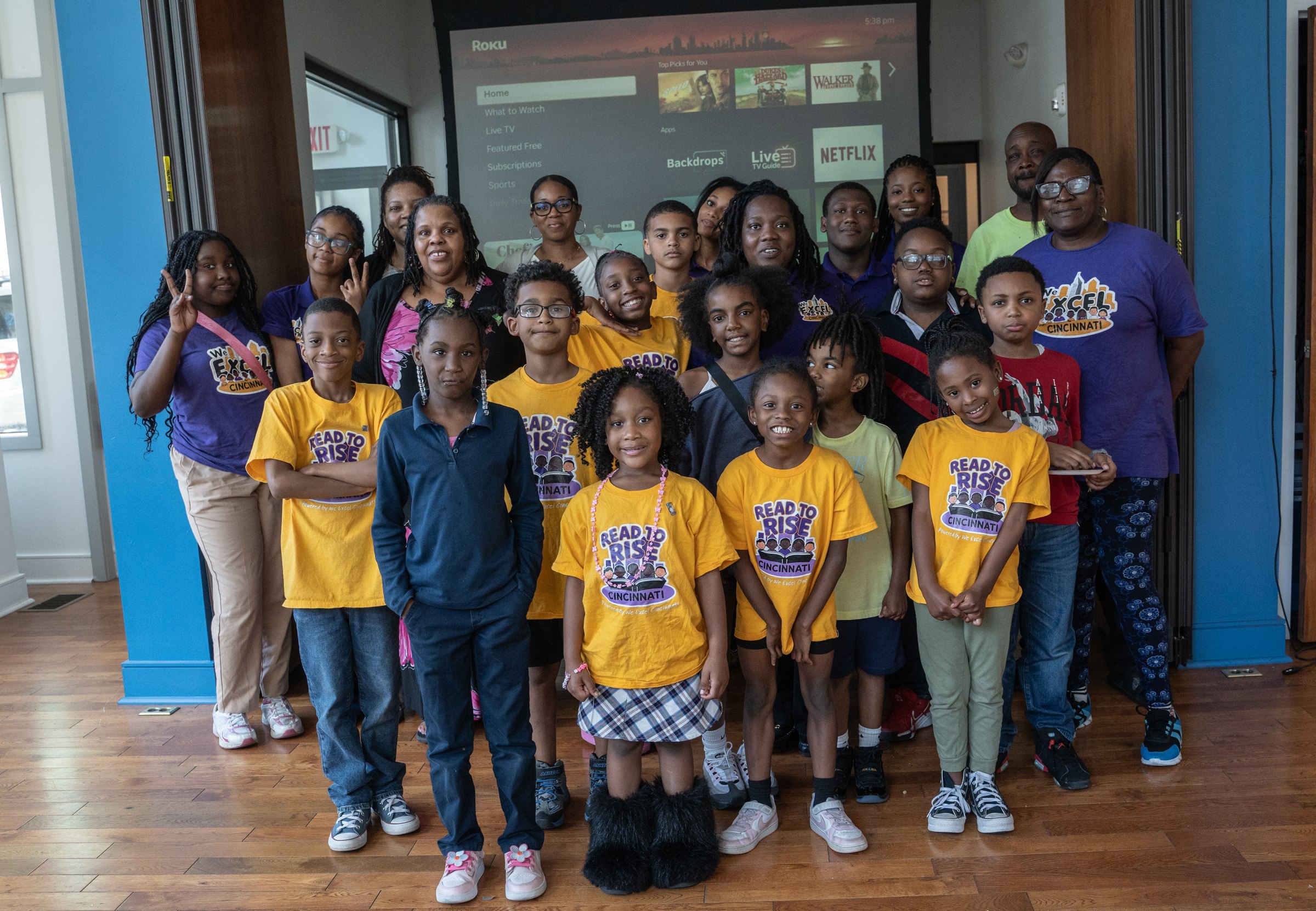
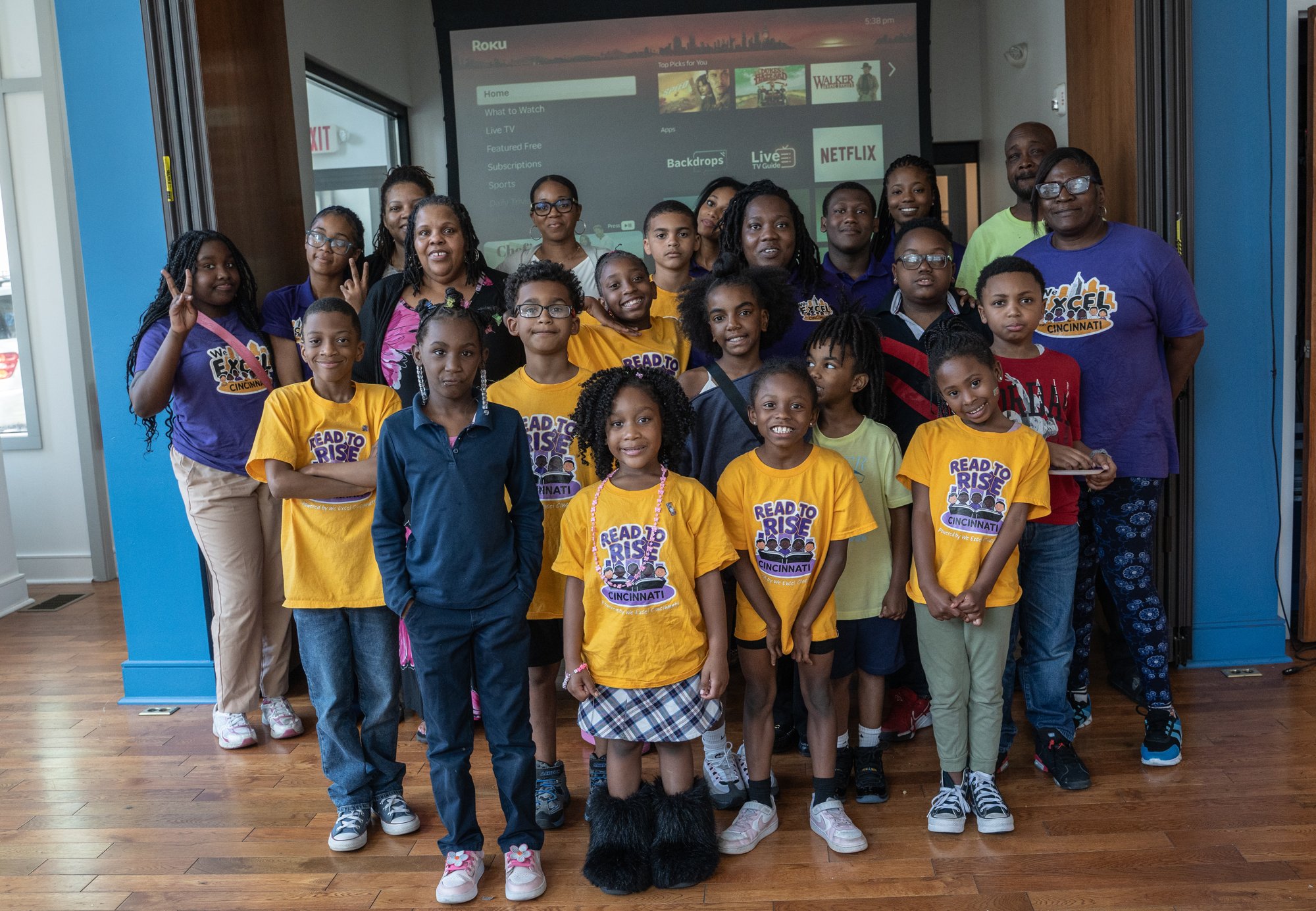
Read to Rise students, families, and We Excel Cincinnati staff gathered together
Read to Rise students, families & staff — Spring 2026 cohort.
89%showed measurable growth
Why Read to Rise

Turning reading data into
parent power.

Too many families are told a child is “doing fine” without clear, timely information about the specific reading skills that child has mastered — or still needs to develop. Read to Rise was created by We Excel Cincinnati as a parent-led response: make reading data understandable, connect students to targeted intervention, and help families become informed partners and advocates in their children's learning.

The spring cohort was both a direct support for children and a learning pilot. It tested whether structured literacy instruction, frequent assessment, family practice, and trusted community partnerships could work together to accelerate growth and strengthen parent confidence.
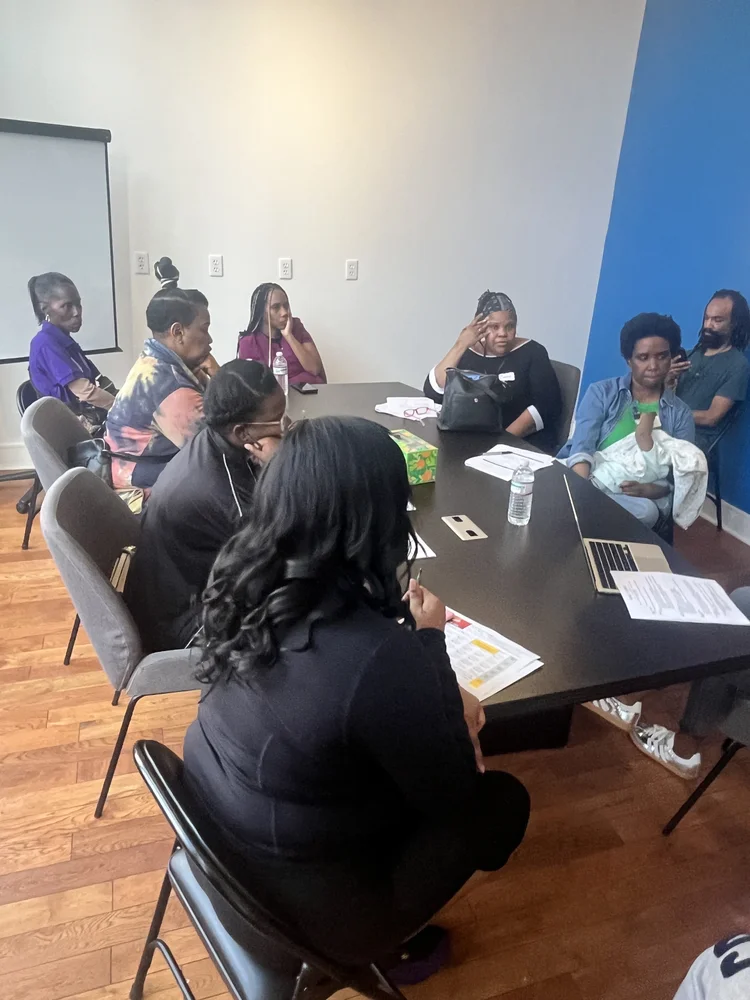
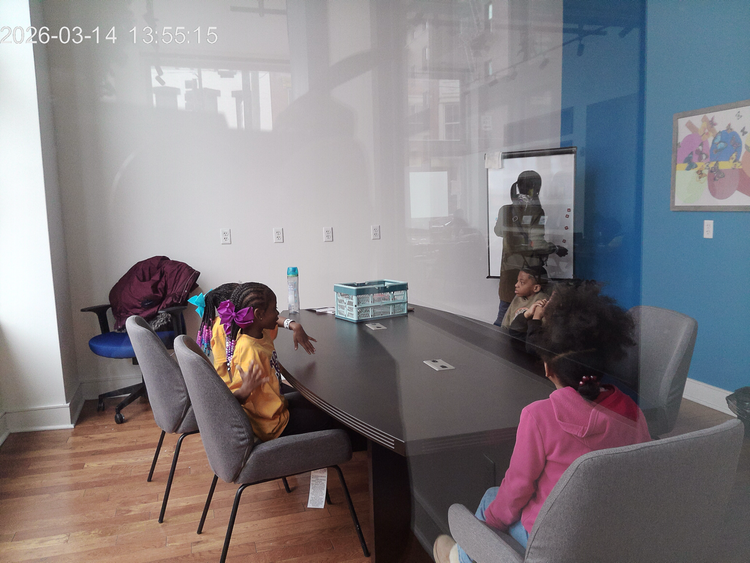
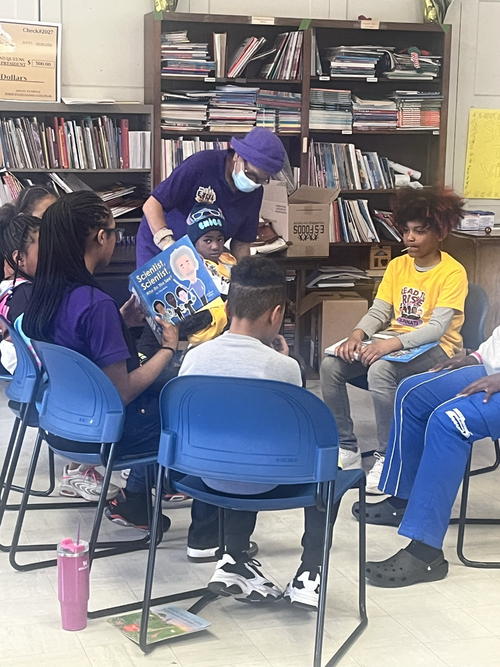
An interventionist reading aloud with students
Interventionists lead small-group, skill-matched instruction.
The Local Literacy Challenge

The need is urgent.

Read to Rise began from a simple belief: children make progress when adults identify the exact skills holding them back, provide focused instruction, and give families information they can use immediately.
39%
of Cincinnati elementary students were reading at grade-level proficiency, per available CPS data.
2-Star
Early Literacy rating earned by the district — a signal that too many students need more support.
Program at a Glance

A structured 10 weeks.

Duration
10 weeks — assessment plus eight weeks of intervention
Schedule
Two sessions per week, ~2 hours each
Students
Kindergarten through Grade 6
Instruction
Small-group, Science of Reading-aligned support
Family Role
Progress updates, kits, workshops & home practice
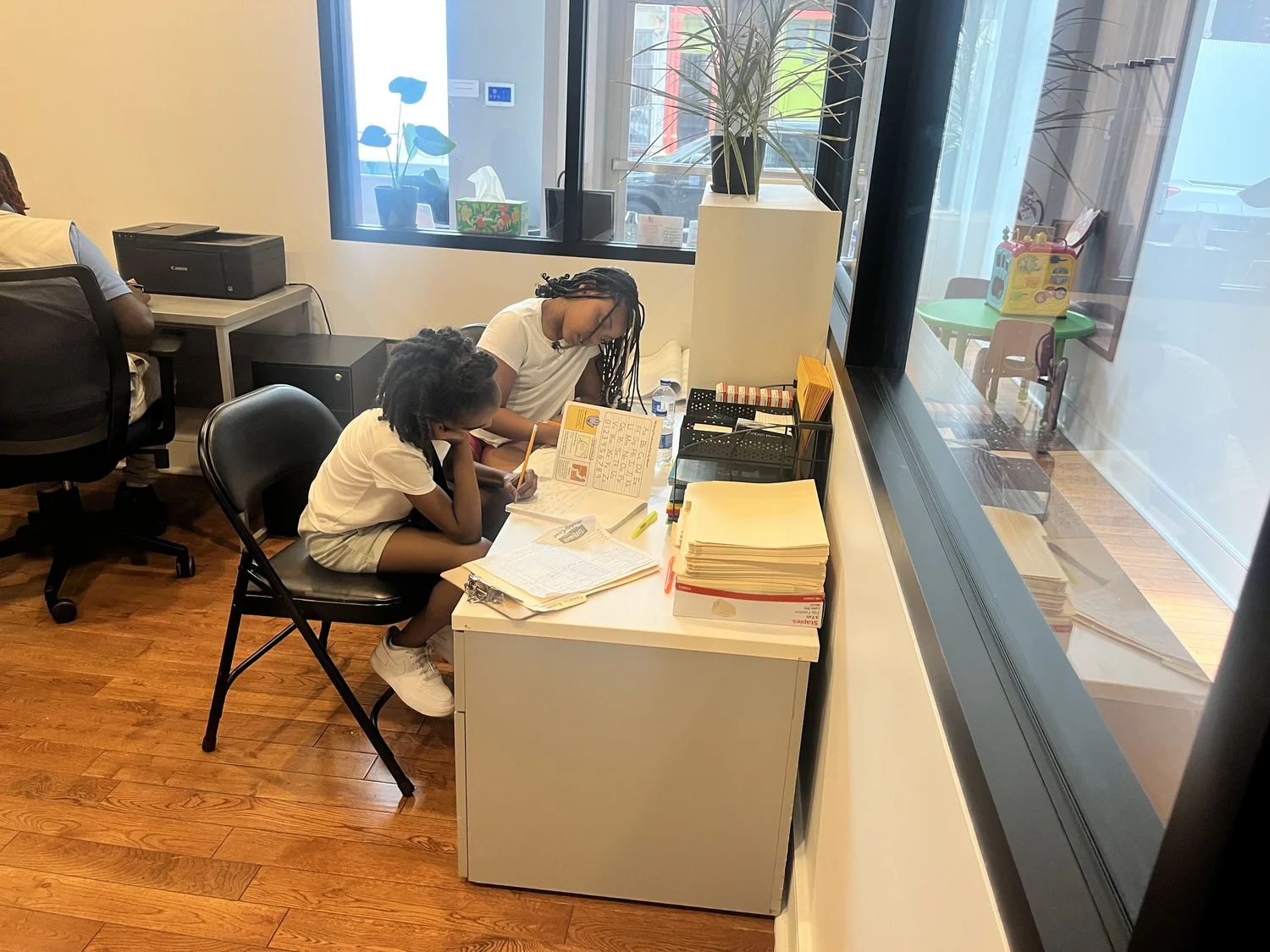
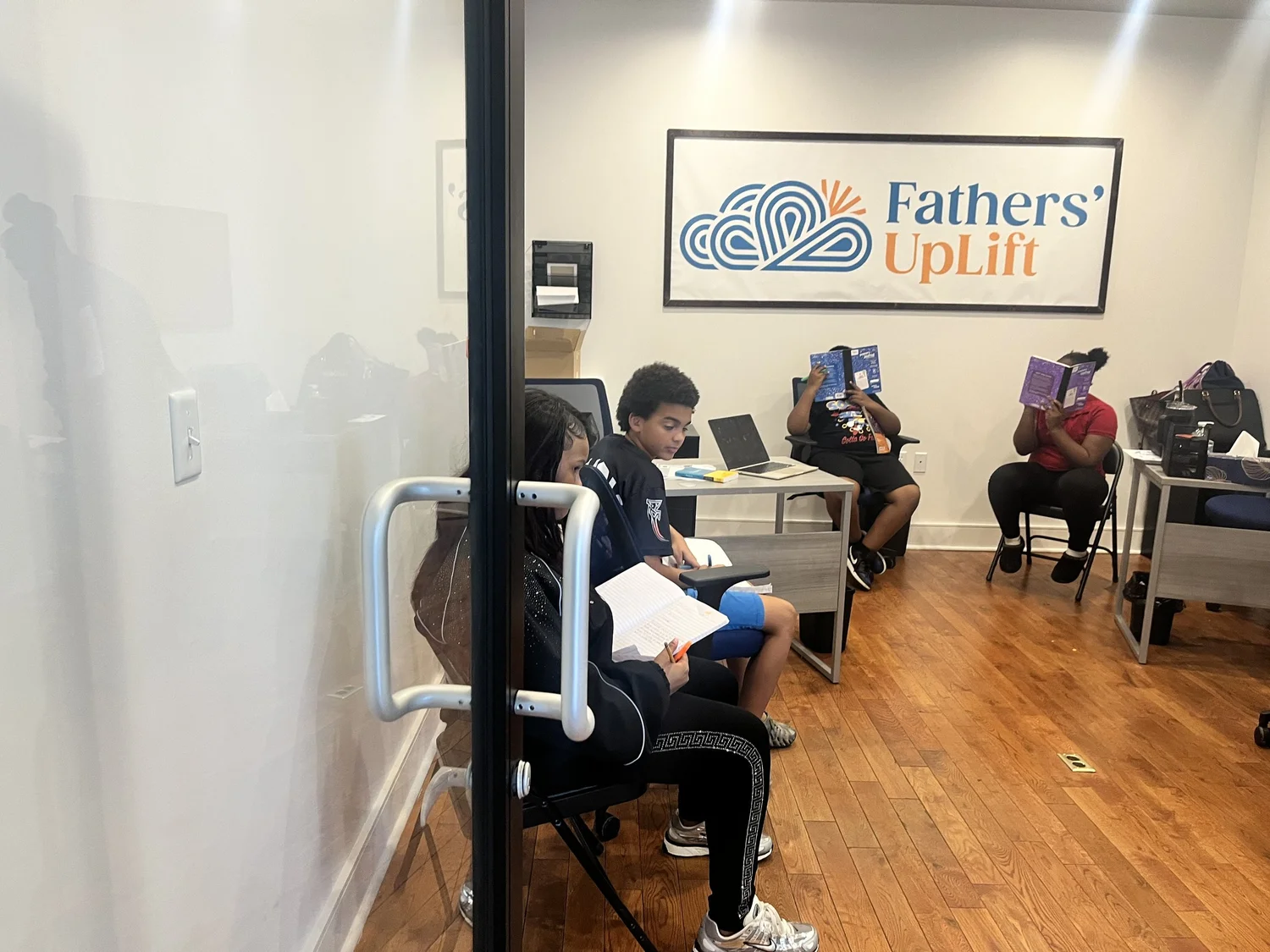
Students reading at the Fathers' UpLift community partner space
Delivered at trusted neighborhood partners like Fathers' UpLift.

Community-based by design

The program was delivered with Fathers' UpLift and Save Our Youth Kings & Queens, including programming at the CMHA Winton Terrace EnVision Center. These partnerships connected literacy support to places and relationships families already trusted.

What the pilot set out to test

Can targeted instruction and clear, family-facing data accelerate student growth — while building parent knowledge, confidence, and advocacy?

How the Program Worked

Assess. Teach. Check. Adjust.

Read to Rise combined structured literacy instruction, assessment-driven grouping, repeated progress monitoring, and parent partnership — identifying the skills each student needed, delivering focused practice, and giving families concrete ways to reinforce learning between sessions.

Instructional Methodology

Across eight instructional weeks, students could participate in up to 16 intervention sessions. Each followed a consistent rhythm — review, explicit instruction, supported reading practice, fluency or comprehension work, and a family handoff — while interventionists adjusted groups and goals as students progressed.

  • Explicit instruction in phonemic awareness, phonics, and decoding, including UFLI-style routines.
  • Practice with decodable and authentic texts to build accuracy, automaticity, and confidence.
  • Fluency work focused on pace, accuracy, expression, and words read correctly.
  • Vocabulary, comprehension, discussion, and written response to build knowledge.
  • Weekly reflection and student-level data to guide regrouping, reteaching, and next-step goals.

Assessments & Progress Monitoring

DIBELS 8th Edition, administered through mCLASS, served as the primary literacy assessment system. Baseline, mid-program, and post-program checkpoints were designed to show both current skill levels and growth over time.

Foundational
Letter naming and phoneme segmentation
Decoding
Nonsense Word Fluency: correct letter sounds & whole words read
Fluency
Oral Reading Fluency: words read correctly & reading accuracy
Supplemental
i-Ready, ELA, interventionist observations & family feedback

The Role of Community Partners

Community partners were not simply venues. They helped the program operate within trusted neighborhood relationships and made it easier to reach families where they already gathered.

  • Provided familiar, accessible spaces for instruction and family engagement.
  • Supported outreach, recruitment, and communication with participating families.
  • Connected academic intervention to broader neighborhood support systems.
  • Created a setting where parent voice and family experience could inform implementation.

Parents as Learning Partners

Families received progress updates, pickup conversations, workshops, resource newsletters, and take-home kits with heart words and simple practice activities. These touchpoints helped parents understand what their child was working on, notice changes outside the program, and reinforce the same skills at home.
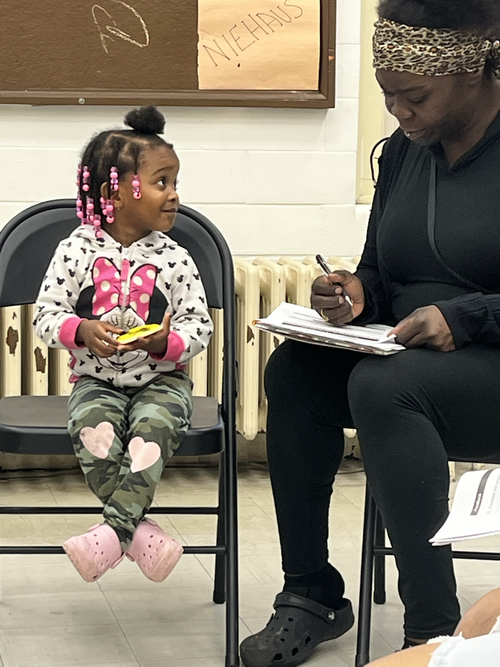
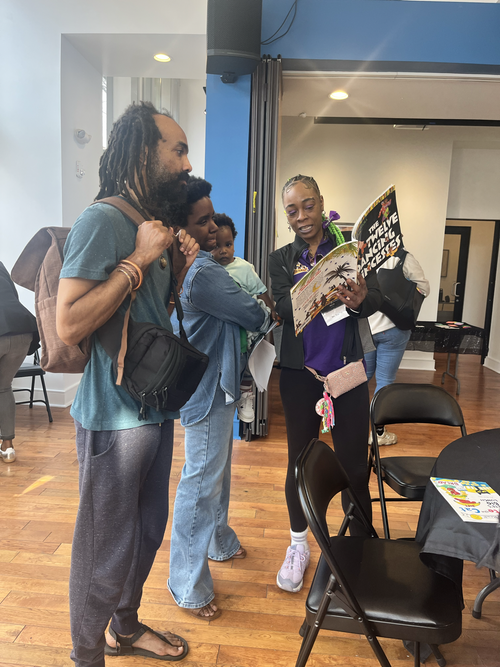
A facilitator sharing a family resource with parents
Family workshops turn reading data into next steps at home.
Preliminary Results & Early Learning

Early signals point one way:
up.

Spring data is still being cleaned and should be read as an early signal, not a final impact finding. The figures below come from different preliminary subsets based on the assessment or survey data available, and should not be read as results for every enrolled student. Even so, the strongest indicators point toward meaningful growth in foundational reading and fluency.
89%
of students in the Week 8 analyzed group showed measurable growth on at least one literacy measure
80%
of parents responding to the early survey reported noticeable student growth
+93%
average growth among students who improved in the available pre-to-mid assessment group
+149%
highest individual growth in oral reading fluency over roughly five weeks
+121%
highest individual growth in nonsense-word decoding accuracy
23%
of the pre-to-mid growth group advanced to the next grade-level assessment
How to read these early results

The most important finding is not a single maximum gain — it's the consistency of direction. Growth appeared across several foundational measures, and families also reported changes in confidence and reading behavior. The year-end analysis will examine complete pre/post records, attendance, and instructional dosage before drawing broader conclusions.

In Their Words

What families are seeing at home.

He is becoming a stronger reader and more confident in sounding out words.

Parent · Midpoint Survey

He is trying to sound out words more on his own.

Parent · Midpoint Survey

My son loves to read more.

Parent · Midpoint Survey

Watching my son be excited for his session days, seeing how much he is learning.

Parent · Post-Program Survey

Him opening out of his shell.

Parent · Post-Program Survey
What Stands Out

Growth showed up everywhere it mattered.

  • Growth was not limited to one measure — it appeared across phonemic awareness, decoding, oral reading fluency, vocabulary, and comprehension-related skills.
  • The largest gains suggest intensive, skill-matched instruction can produce rapid movement for some students, even within a short pilot window.
  • Parent feedback indicates progress was also visible at home: increased confidence, greater willingness to read, and more curiosity about words.
  • The strongest results came from a model that connected assessment, instruction, family communication, and community trust — not tutoring as a stand-alone service.
  • Nearly one-quarter of the pre-to-mid growth group moving to a higher grade-level assessment is an especially promising early signal.
What We Are Learning
  • Parents act more powerfully when reading data is explained plainly and paired with a specific next step.
  • Frequent progress monitoring matters — students need different skills, pacing, and levels of reteaching.
  • Trusted community locations reduce access barriers, but consistent attendance remains essential to full instructional dosage.
  • A single student-level system for attendance, dosage, assessments, and family feedback is necessary for stronger year-end analysis.
In the Room

A spring of reading, together.

More to Come

The story is still being written.

Read to Rise will continue with another cohort before the end of 2026. The combined year-end report will present fuller pre/post findings, attendance and dosage analysis, parent and student testimony, and the implications of this parent-led, community-based approach for Cincinnati's broader literacy work.